GLP-1 medications such as semaglutide and tirzepatide can be part of a broader weight-management plan, but keeping track of medication schedules, food intake, activity, weight, and other health information can take effort. Tracking apps can help organize these details and make changes easier to review over time.
Not every app serves the same purpose. Some are designed around medication reminders, while others focus on nutrition, calorie intake, body measurements, or broader weight-management support. Comparing their main features can help you choose an app that matches your routine.
MyFitnessPal
MyFitnessPal is a widely used app for tracking food, calories, exercise, and weight. Its large food database makes it useful for people who want a detailed record of their eating habits.
For GLP-1 users, food tracking can provide context when appetite and meal patterns change. Recording meals may help users understand their overall intake and identify whether their diet includes a reasonable range of foods.
The app may be a convenient option for people who already use it for general health and fitness tracking. Instead of adding another platform, they can continue using a familiar system.
Lose It!
Lose It! focuses on calorie, food, and weight tracking. Its relatively simple structure can suit people who want to monitor eating habits without using a highly specialized medication app.
Changes in appetite are common during GLP-1 treatment. Keeping a food record can help users understand how those changes affect their eating patterns. It also creates information that can be discussed with a healthcare professional when appropriate.
Lose It! is therefore better suited to users who primarily want food and weight tracking rather than detailed medication management.
Shotsy
Shotsy takes a more medication-focused approach. It is designed to help users track injections and medication schedules, making it relevant to people who want a dedicated treatment record.
Remembering medication dates can become difficult when routines change or schedules become busy. An injection tracker can provide a simple record of when medication was taken and help users maintain consistency with the schedule prescribed by their healthcare professional.
For someone whose main priority is medication organization, a dedicated tracker may be more useful than an app centered mainly on calories or exercise.
MeThreeSixty
MeThreeSixty focuses on body measurements and visual progress rather than relying exclusively on the scale.
Weight can fluctuate from day to day, so scale readings do not always provide a complete picture of physical changes. Recording measurements and progress images gives users additional information to review.
This can be useful for people who prefer to monitor several aspects of physical change instead of treating weight as the only measure of progress.
WeightWatchers
WeightWatchers combines food tracking and weight-management tools with educational resources and behavioral support. Depending on the plan and location, it may also provide services associated with prescription weight-management medications.
The platform takes a broader approach than a basic tracking app. Users can work on food choices, activity, habits, and weight-management goals within the same ecosystem.
Features and medication-related services can vary by location and membership, so it is worth checking the current offering before selecting a plan.
Cronometer
Cronometer is particularly focused on detailed nutrition information. In addition to calories, it can track nutrients such as vitamins and minerals.
This may be relevant for people taking GLP-1 medications who experience changes in appetite and eat smaller portions. When overall food intake decreases, understanding the nutritional value of meals can become more useful.
Cronometer is therefore a strong option for users who want detailed dietary information rather than a tracker focused mainly on medication schedules or weight.
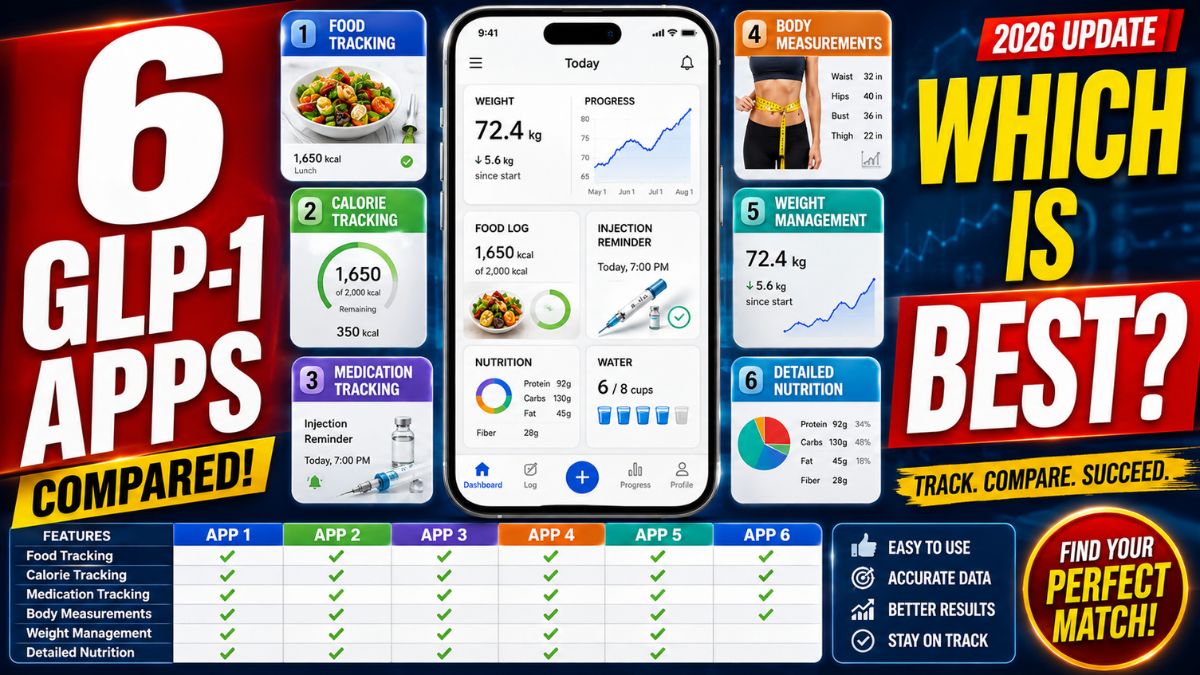
| App | Main Focus | Best For |
|---|---|---|
| MyFitnessPal | Food, exercise, weight | General health tracking |
| Lose It! | Calories, food, weight | Simple food tracking |
| Shotsy | Medication and injections | Treatment organization |
| MeThreeSixty | Measurements and images | Visual progress |
| WeightWatchers | Weight-management support | Broader support |
| Cronometer | Nutrition and nutrients | Detailed diet tracking |
Choosing
The best GLP-1 tracking app depends on the information you want to monitor most often. Shotsy may be a better fit for medication and injection tracking, while MyFitnessPal and Lose It! are more focused on food and weight. Cronometer provides detailed nutritional information, MeThreeSixty emphasizes measurements and visual changes, and WeightWatchers offers a broader weight-management approach.
A tracking app is a tool for organizing information, not a substitute for medical advice. Medication doses, side effects, nutrition concerns, and treatment changes should be discussed with a qualified healthcare professional. Choosing an app that fits naturally into your daily routine can make tracking more manageable and provide a clearer record of your progress.
FAQs
Which GLP-1 app is best for medication tracking?
Shotsy is focused on medication and injection tracking.
Which GLP-1 app tracks nutrition?
Cronometer provides detailed nutrition and nutrient tracking.
Can GLP-1 apps track weight?
Yes, several apps let users record and monitor weight changes.
Can these apps track food?
Yes, apps such as MyFitnessPal and Lose It! track food intake.
Do tracking apps replace medical advice?
No, they are tracking tools and do not replace professional medical care.