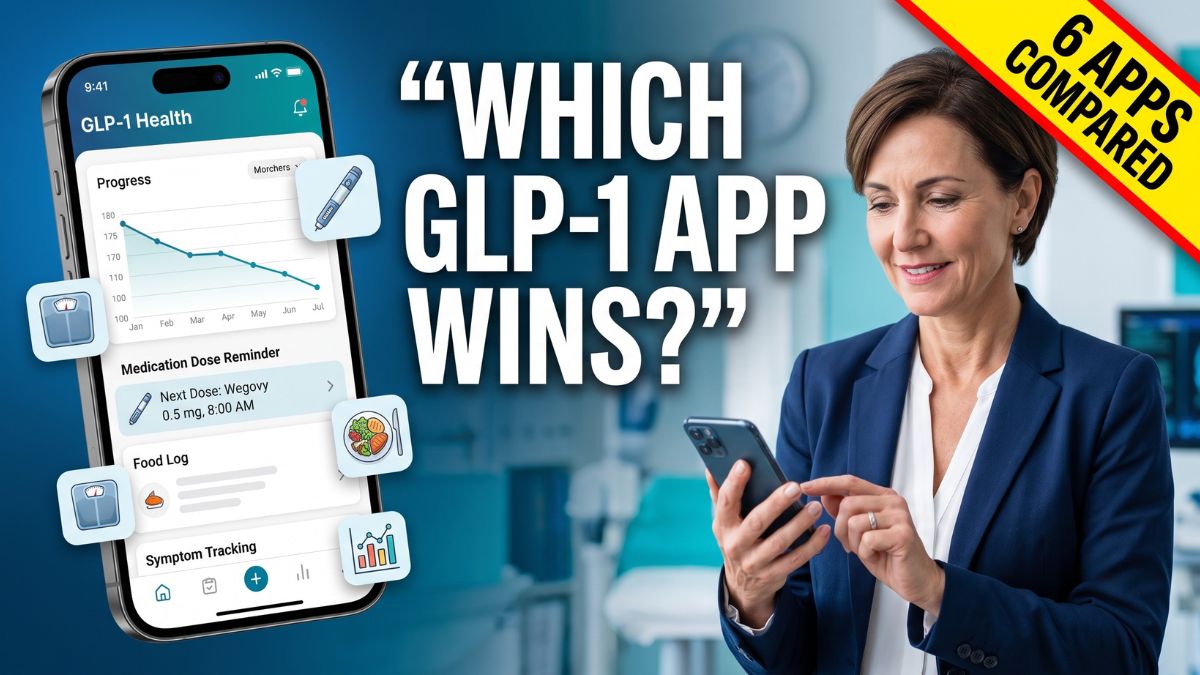

GLP-1 medications have become an important part of weight management and metabolic health for many people, but taking the medication is only one part of the process. Tracking progress can help users notice patterns in weight, symptoms, food intake, activity, and medication routines. That is where GLP-1 tracking apps can be useful.
With so many health and weight-management apps available in 2026, choosing the right one can feel surprisingly complicated. Some focus mainly on weight trends, while others combine medication reminders, nutrition, side-effect tracking, coaching, and health data. The best choice depends less on having the most features and more on which tools fit naturally into your routine.
Tracking
A useful GLP-1 app should make everyday tracking simple. Weight is often the most obvious measurement, but it is not the only one worth monitoring. Depending on the app, you may also be able to record meals, water intake, exercise, symptoms, sleep, and medication doses.
Look for an app that lets you enter information quickly. If tracking takes several minutes every time, it can become another chore rather than a helpful habit.
Medication
Medication tracking can be especially useful for people who have a regular injection schedule. Some apps offer reminders, dose logs, and calendars that make it easier to see when medication was taken.
However, an app should be treated as a tracking aid rather than a replacement for medical advice. Dose changes, missed doses, side effects, and treatment decisions should be discussed with a qualified healthcare professional.
Nutrition
Nutrition features vary widely between GLP-1 apps. Some provide basic food logging, while others offer calorie estimates, protein tracking, meal planning, or broader nutritional guidance.
This can matter because appetite may change considerably while using a GLP-1 medication. An app that helps users monitor food quality and nutritional intake may provide more useful information than one that focuses only on calories.
Still, more data is not automatically better. A simple food journal may be enough for one person, while another may prefer detailed nutritional information.
Symptoms
Side-effect tracking is another feature worth considering. Users may want to record symptoms such as nausea, constipation, diarrhea, fatigue, or changes in appetite.
Keeping a consistent record can help users identify patterns and provide clearer information during healthcare appointments. It does not diagnose the cause of a symptom, but it can create a useful timeline.
Privacy also deserves attention here. Health information is sensitive, so users should review an app’s privacy policy and understand how their information is stored, shared, and used.
Features
The six leading GLP-1 tracking apps can differ considerably in their approach. A simple comparison can help narrow the field:
| Feature | Basic Tracker | Medication App | Nutrition App | Coaching App | Health Platform | All-in-One App |
|---|---|---|---|---|---|---|
| Weight tracking | Yes | Yes | Yes | Yes | Yes | Yes |
| Medication logs | Basic | Strong | Varies | Strong | Strong | Strong |
| Food tracking | Basic | Limited | Strong | Strong | Varies | Strong |
| Symptom logs | Basic | Strong | Limited | Strong | Strong | Strong |
| Coaching | No | Varies | Varies | Yes | Varies | Yes |
| Health data | Limited | Moderate | Limited | Moderate | Strong | Strong |
The table illustrates why there is no universal winner. Someone who mainly wants medication reminders may not need the same app as someone looking for nutrition guidance and coaching.
Usability
An app can have an impressive feature list and still be frustrating to use. Clean navigation, quick entries, readable charts, and reliable reminders can make a bigger difference than a long list of advanced tools.
Before committing to an app, consider how often you expect to use it. Daily users may benefit from a streamlined interface, while people who review their progress weekly may prefer detailed reports and trend charts.
Costs
Pricing is another important comparison point in 2026. Some apps offer free tracking tools, while advanced features may require a monthly or annual subscription.
Paid plans can include coaching, meal planning, deeper analytics, integrations, or personalized recommendations. But users should compare those benefits with what they actually need.
If an app’s main purpose is recording weight and medication dates, paying for a large coaching package may not provide much additional value.
Privacy
Health data deserves the same careful consideration as any other personal information. Before creating an account, check what information the app collects and whether it connects with other services.
Users should also look at whether data can be exported or deleted and whether the app shares information with third parties. These details are easy to overlook when a product’s main selling point is convenience.
Ultimately, the best GLP-1 tracking app is the one that supports consistent habits without making health management feel unnecessarily complicated. Compare medication tools, nutrition features, symptom tracking, privacy, usability, and price before choosing. An app should complement a treatment plan and healthcare team, not replace either one.
FAQs
What should a GLP-1 app track?
Weight, medication, food, symptoms, and activity are useful.
Are GLP-1 tracking apps free?
Some are free, while others charge for advanced features.
Can an app replace my doctor?
No. Apps can track information but cannot replace medical care.
Should GLP-1 side effects be tracked?
Yes. Tracking symptoms can help during healthcare appointments.
Which GLP-1 app is best?
The best app depends on your tracking needs and preferences.