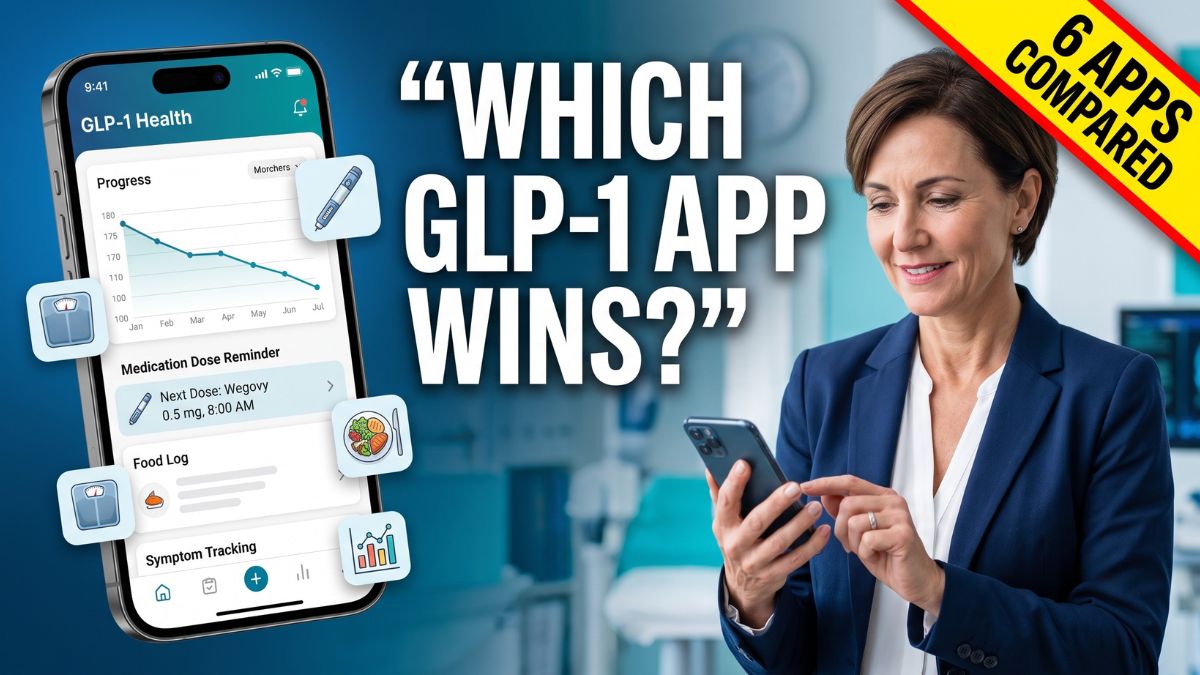
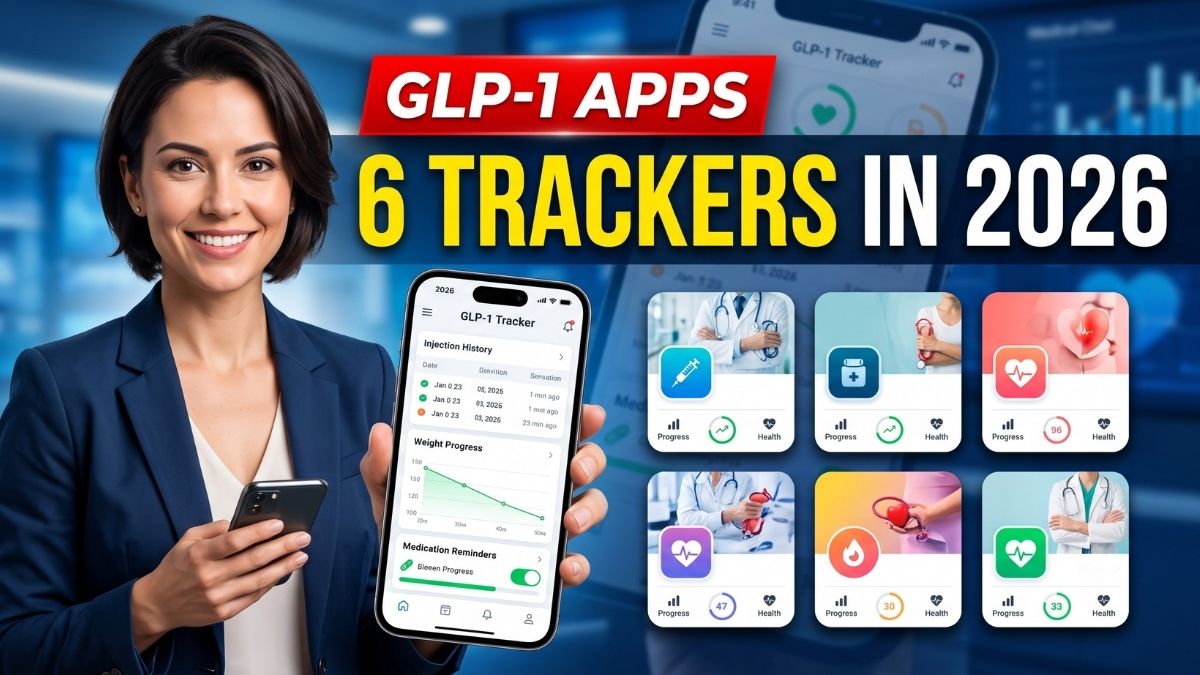
If you’re taking a GLP-1 medication, keeping track of doses, weight, side effects, meals, and other health changes can make the treatment easier to manage. A good GLP-1 tracker works like a digital logbook, helping you record important details without relying on memory.
With more health and medication-tracking apps available in 2026, it can be difficult to know which features actually matter. Here are six apps worth comparing and what each may offer for people who want to organize their GLP-1 treatment records.
Tracking
GLP-1 medications such as semaglutide and tirzepatide often involve regular dosing and ongoing monitoring. A tracker can help you record when you took your medication, note your dose, and monitor changes over time.
This can be useful when your schedule becomes busy. Instead of trying to remember when you last took a dose, you can check a digital record. Consistent records may also give you clearer information to discuss with your healthcare professional.
Features
GLP-1 tracker apps can offer more than medication reminders. Depending on the app, you may find tools for recording weight, symptoms, meals, water intake, physical activity, and other health information.
Some apps allow users to record side effects such as nausea, constipation, fatigue, or appetite changes. Keeping these details in one place may help you identify patterns and provide more specific information during healthcare appointments.
The right combination of features depends on what you want to monitor. An app focused on medication management may be more useful for dose tracking, while a broader health platform may be better for combining nutrition, exercise, and weight information.
Comparison
Six apps worth comparing in 2026 include:
| App | Useful For | Key Feature |
|---|---|---|
| Shotsy | Medication tracking | Dose and injection history |
| MyFitnessPal | Food and activity | Nutrition tracking |
| Cronometer | Detailed nutrition | Nutrient analysis |
| Medisafe | Medication reminders | Dose notifications |
| MyTherapy | Medication management | Health and treatment logs |
| WeightWatchers | Weight management | Weight and lifestyle tracking |
These apps take different approaches to health tracking. Shotsy is specifically focused on injection and GLP-1-related records, while broader health apps can combine medication information with other lifestyle data.
Features, pricing, availability, and supported devices can change, so it is worth checking the current details before choosing an app.
Reminders
Medication reminders can be useful for people who follow a regular treatment schedule. Instead of depending entirely on memory or a standard calendar alert, medication apps can provide notifications connected to your treatment routine.
A reminder does not determine when or how much medication you should take. Your prescribed instructions should always come from your healthcare professional or medication label.
For that reason, reminders are best viewed as an organizational tool rather than a substitute for medical guidance.
Progress
Weight is one measure that people often monitor during GLP-1 treatment, but it is not the only information that may be useful. Appetite, energy, eating patterns, symptoms, and other changes can provide additional context.
A tracking app can bring these records together. For example, you may be able to review whether certain symptoms appeared after an injection or compare changes in appetite over several weeks.
Keeping a record can also make healthcare appointments more useful. Rather than trying to remember what happened several weeks earlier, you can refer to information recorded throughout your treatment.
Privacy
Health information is sensitive, so privacy should be part of the comparison. Before using an app, review its privacy policy and check what information it collects, how data is stored, whether information may be shared with third parties, and what account controls are available.
It is also worth considering whether the app collects more information than you actually need. A simple tracker that records doses and weight may be sufficient if those are your primary goals.
More features do not necessarily make an app more useful. The most practical option is often one that you can use consistently without making your daily routine more complicated.
Choosing
Start by identifying what you want the app to do. If your main priority is recording injections and receiving reminders, a medication-focused tracker may be appropriate. If nutrition is important, a food-tracking platform may provide more relevant tools. If weight management is your broader focus, a lifestyle-oriented app may be a better fit.
Ease of use also matters. Entering information should take little time, and the dashboard should make your records easy to understand. Features such as progress charts, reminders, and simple data entry can help turn tracking into a routine.
Ultimately, there is no single GLP-1 tracker that will suit everyone. Comparing medication tools, nutrition features, privacy practices, costs, and usability can help you choose an app that fits your needs. A consistent record can provide useful context during treatment, but it should support rather than replace advice from your healthcare professional.
FAQs
What is a GLP-1 tracker?
It helps you log doses, weight, symptoms, and progress.
Which app tracks GLP-1 doses?
Shotsy is designed for tracking GLP-1 injections and doses.
Can GLP-1 apps track weight?

Yes, many apps let you record weight and view progress.
Are GLP-1 trackers free?
Some offer free features, while others require subscriptions.
Should I use a GLP-1 tracker?
It can help you maintain consistent treatment and health records.