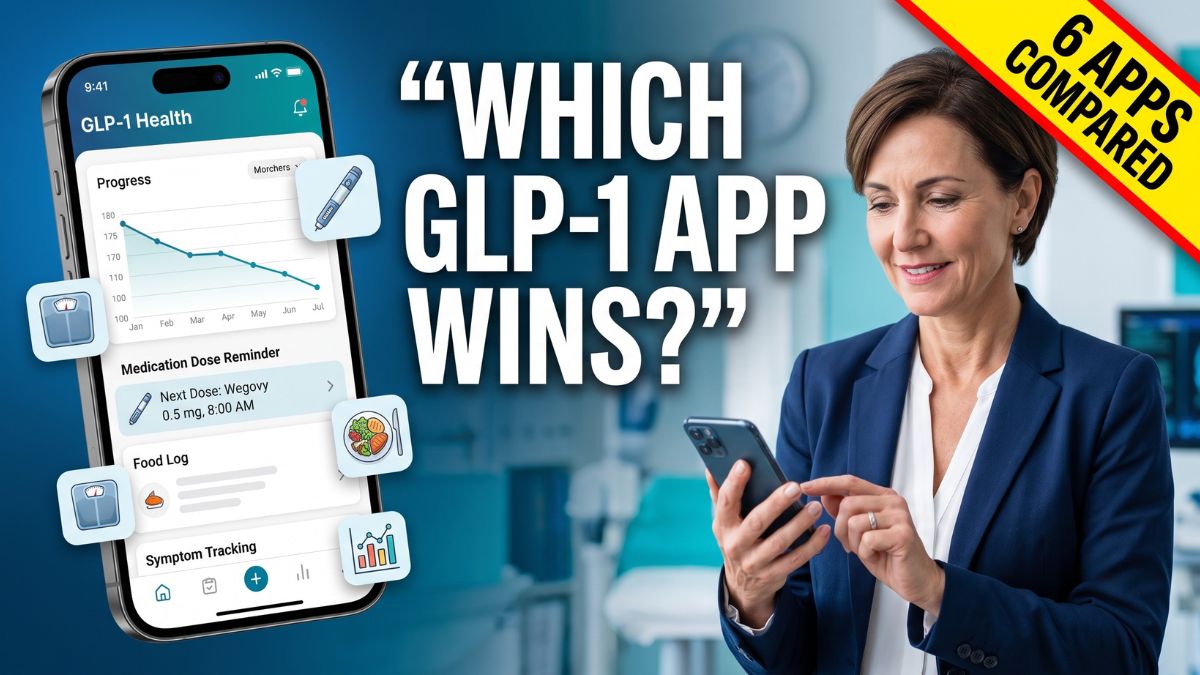
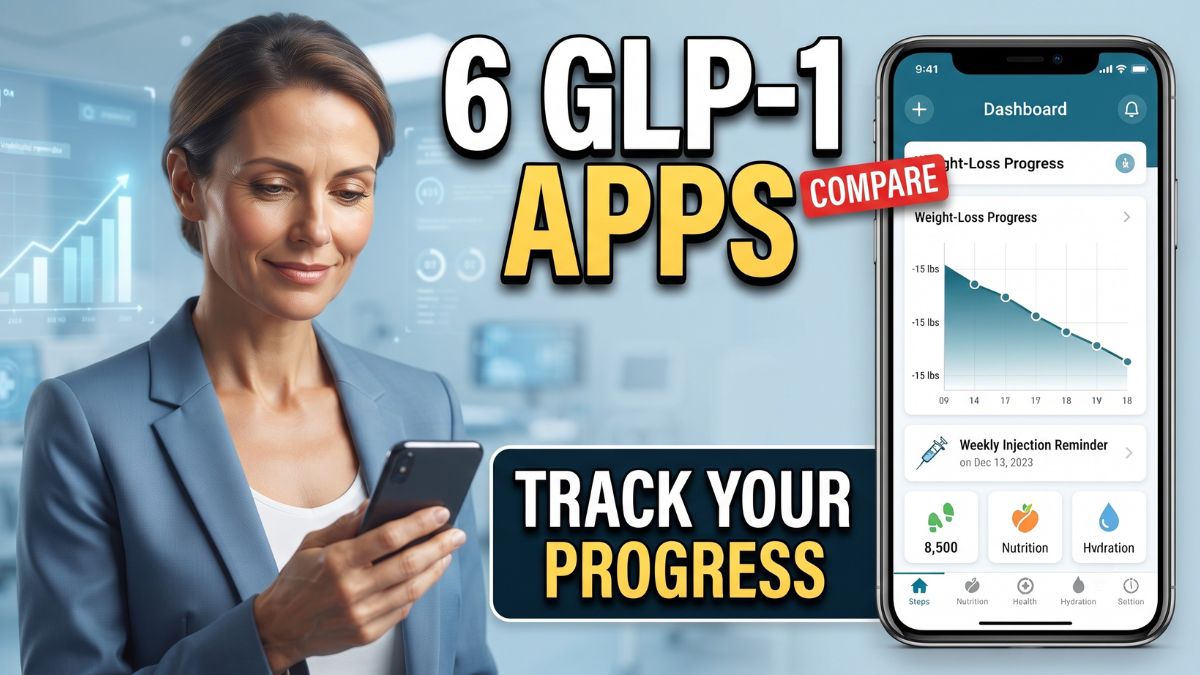
GLP-1 medications have changed how many people approach weight management, but taking the medication is only one part of the process. Once treatment begins, people may want to keep track of injection dates, weight changes, side effects, appetite, food intake, activity and other health indicators. Without a simple system, those details can quickly become difficult to remember.
That is where GLP-1 tracking apps come in.
These apps can turn scattered information into a clearer record of what is happening over time. Some focus mainly on medication reminders and weight, while others combine tracking with nutrition, exercise, symptom monitoring or broader health insights.
The right option depends on what you actually want to monitor. A person who only needs injection reminders has very different requirements from someone who wants a detailed picture of how treatment is affecting their weight, appetite and daily habits.
Tracking
The basic function of a GLP-1 tracking app is to create a reliable record.
Depending on the app, you may be able to log medication doses, record weight, monitor body measurements and note symptoms. This can be useful because treatment progress is rarely linear. Weight can fluctuate from week to week, while appetite and side effects may change at different stages.
A record helps separate short-term changes from longer-term trends.
It can also make conversations with a healthcare professional more useful. Instead of trying to remember when a dose was taken or when a particular symptom appeared, you can refer to your records.
Shots
Medication reminders are particularly useful for people who have a regular injection schedule.
A dedicated reminder can reduce the chance of forgetting a dose or becoming uncertain about when the previous injection was taken. Some apps allow users to record each completed dose, creating a chronological history.
However, tracking an injection is not the same as deciding when or how much medication to take. Dosing should always follow the instructions provided by your prescribing healthcare professional.
An app can help you remember your treatment plan, but it should not replace medical advice.
Weight
Weight tracking is another common feature, but the value comes from looking at trends rather than individual numbers.
Daily weight can move because of hydration, food intake, sodium, bowel movements and other factors. A single measurement therefore provides limited information.
Over several weeks, however, a tracking app can make the overall direction easier to see.
Some apps also allow users to record measurements such as waist circumference or body composition. These additional metrics can provide context when the scale does not fully reflect changes.
Symptoms
GLP-1 medications can be associated with gastrointestinal and other side effects, and experiences vary between individuals.
A symptom diary can help users record issues such as nausea, constipation, diarrhoea, vomiting or changes in appetite. Recording when symptoms occur can make patterns easier to discuss with a healthcare professional.
The important point is to treat the app as a record-keeping tool rather than a diagnostic system.
Persistent, severe or concerning symptoms should be discussed with a qualified healthcare professional rather than interpreted through an app alone.
Nutrition
Some GLP-1 tracking apps go beyond medication and weight by including food tracking.
This can be useful because appetite changes may influence how much and what a person eats during treatment. A food diary can help identify patterns in meals, protein intake, hydration and overall eating habits.
But detailed food logging is not necessary for everyone.
For some users, a simple medication and weight record may be enough. Others may prefer a broader approach that combines nutrition, exercise and weight data.
The best app is therefore not necessarily the one with the most features. It is the one you are likely to use consistently.
Activity
Exercise tracking can provide another piece of the picture.
Depending on the platform, users may be able to record walking, workouts, steps or other forms of physical activity. Combining this information with weight and nutrition data can help users understand their habits over time.
There is also a practical benefit to having multiple records in one place. Instead of switching between separate applications, users can potentially review several aspects of their routine through one dashboard.
That convenience can make tracking easier to maintain.
Comparison
The six apps below represent different approaches to GLP-1 tracking. Features, pricing, availability and integrations can change, so users should verify current details before choosing an app.
| App type | Best for | Common tracking focus |
|---|---|---|
| GLP-1 dose tracker | Medication schedules | Doses and reminders |
| Weight tracker | Weight trends | Weight and measurements |
| Symptom tracker | Side-effect records | Symptoms and medication |
| Nutrition tracker | Eating habits | Food and nutrition |
| Fitness tracker | Activity | Exercise and movement |
| All-in-one health app | Broader monitoring | Medication, weight, food and activity |
The comparison highlights an important distinction. Tracking apps are not interchangeable. Their usefulness depends on the information you want to collect and how much detail you want.
Privacy
Health data deserves particular attention.
Before entering medication information, weight, symptoms or other personal health details, check how the app stores and uses your information. Review its privacy policy, permissions and data-sharing practices.
Consider whether the app requires access to information that is unrelated to the tracking features you actually need.
Convenience matters, but health-data privacy should be part of the decision.
Progress
A tracking app cannot determine whether a GLP-1 medication is working for you, and it cannot replace your healthcare team. What it can do is make your treatment history easier to understand.
For some people, that means a simple dose reminder. For others, it may mean connecting medication records with weight, symptoms, nutrition and activity.
The most useful system is usually the one that turns tracking into a manageable habit rather than another source of work. Whether you choose a dedicated GLP-1 tracker or a broader health platform, consistent records can give you a clearer view of your progress and provide useful information to discuss with your healthcare professional.
In the end, the purpose of tracking is not to watch every number obsessively. It is to create a reliable record that helps you understand your treatment journey, notice meaningful changes and make better-informed decisions with appropriate medical guidance.
FAQs
What can GLP-1 apps track?
They can track doses, weight, symptoms, food, activity and reminders.
Can GLP-1 apps remind me about doses?
Many apps provide reminders for scheduled medication doses.
Should I track GLP-1 side effects?

A symptom log can help you discuss changes with your healthcare provider.
Can an app replace medical advice?
No. Tracking apps should not replace advice from qualified professionals.
What is the best GLP-1 tracking app?
The best choice depends on the features and tracking needs you prefer.