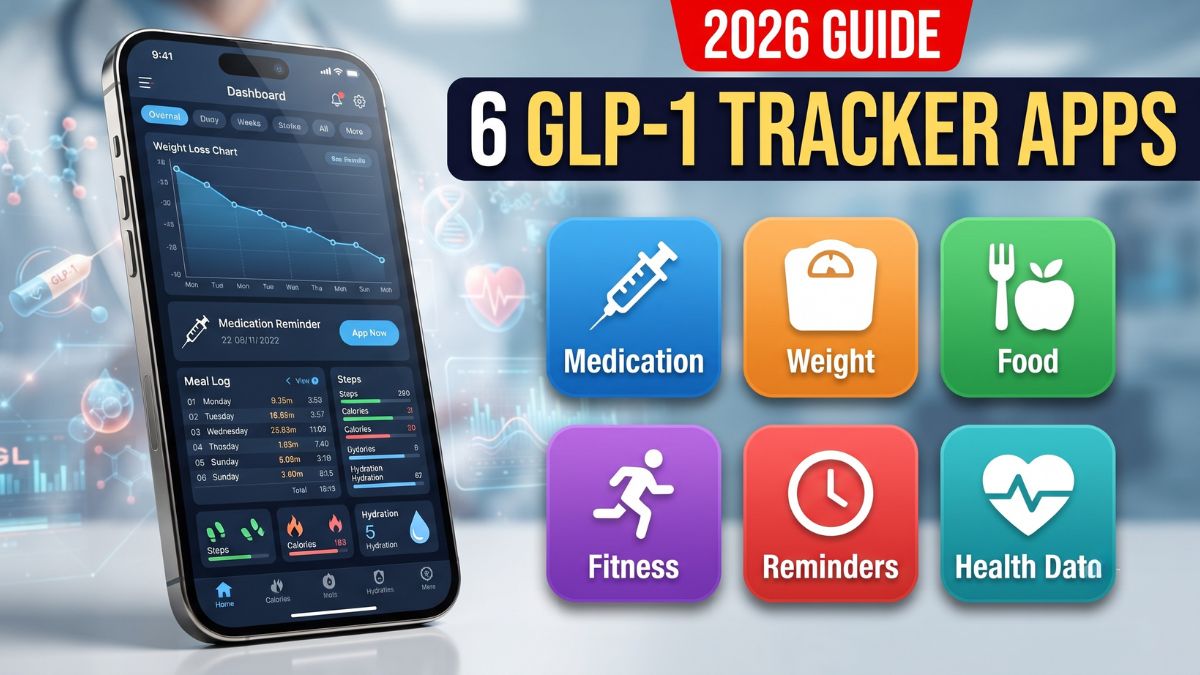
GLP-1 medications have made health tracking more useful for many people, especially when treatment involves monitoring weight, meals, activity, side effects, medication schedules, or other health measures. A tracker can turn scattered information into a clearer picture of how your routine is changing over time.
But not every app works the same way. Some focus mainly on weight and measurements, while others combine food logging, medication reminders, exercise, symptoms, or broader health data. Choosing the right one depends on what you actually want to monitor.
Before starting a GLP-1 tracker in 2026, it is worth comparing a few options rather than downloading the first app you find.
MyFitnessPal
MyFitnessPal is best known as a food and nutrition tracking platform, making it useful for people who want to understand eating patterns while using a GLP-1 medication.
You can record meals, calories, nutrients, exercise and weight. Its large food database can also make regular food logging easier, although the amount of detail available may depend on the plan you use.
For someone who wants a broader nutrition picture rather than a medication-only diary, this can be a practical starting point.
Lose It!
Lose It! takes a weight-management approach, with tools for recording food, weight and activity. Its interface is designed around helping users understand daily eating habits and progress toward weight-related goals.
For GLP-1 users, the value may come from having food and weight information in the same place. This can help you notice patterns that are difficult to remember from day to day.
However, an app should support your treatment plan rather than replace advice from your healthcare professional.
Shotsy
Shotsy is designed specifically around medication tracking and is particularly relevant to people who want to record GLP-1 injections.
Medication schedules can be easy to lose track of, especially when treatment involves recurring doses. A dedicated tracker can provide a simple way to record injections and keep treatment information organized.
Some users may prefer this focused approach because they do not need a full calorie-counting or fitness platform. The key consideration is whether its current features match the information you want to monitor.
Medisafe
Medisafe is a medication-management app rather than a GLP-1-specific tracker. Its main purpose is helping people remember medications and organize their treatment schedules.
That can make it useful if your biggest concern is remembering doses rather than tracking food or exercise.
For people taking multiple medications, having a broader medication-management system may also be more practical than using a specialized GLP-1 app alongside several other health tools.
Health Apps
Built-in health platforms on smartphones can also be worth considering. Apple Health and similar services can bring together information from compatible apps and devices, creating a more centralized health record.
This approach can reduce the need to manually enter the same information into multiple apps. Depending on your device and connected services, you may be able to view weight, activity, nutrition and other health measurements together.
The downside is that built-in health platforms may not offer the same specialized GLP-1 features as dedicated medication trackers.
Care Apps
Some GLP-1 treatment programs provide their own apps or digital platforms. These can be particularly useful when they connect tracking with an existing healthcare or weight-management service.
Instead of simply recording a number, the platform may be designed around the treatment program you are already following. This can make it easier to keep relevant information together.
Before choosing one, check what the app actually tracks, whether data can be exported, and how it handles privacy.
Choosing
The best GLP-1 tracker is not necessarily the one with the most features. Think about the information you are most likely to record consistently.
If medication reminders are your priority, a medication-focused app may be enough. If you want to understand nutrition and weight trends, a food and weight tracker could make more sense. If you already use a smartwatch or smartphone health platform, connecting compatible services may reduce duplicate work.
Privacy is another consideration. Health information can be sensitive, so review an app’s privacy policy and understand what data it collects, stores and shares before creating an account.
Most importantly, tracking should make treatment easier to understand, not create another source of stress. A simple record you maintain consistently can be more useful than an elaborate system you stop using after a few weeks.
Before starting a GLP-1 tracker, compare the features, privacy practices and compatibility of several apps. Your healthcare professional can also help determine which measurements are actually relevant to your treatment and which ones you can safely leave out.
FAQs
What is a GLP-1 tracker?
It helps record medication, weight, food, symptoms or other health data.
Are GLP-1 trackers medical apps?
Some are, but most are tracking tools and do not replace medical care.
Can GLP-1 apps track injections?

Yes, some apps let users record doses and set medication reminders.
Should I track food while taking GLP-1 medication?
It depends on your goals and should follow your healthcare provider’s advice.
What should I check before choosing an app?
Check features, privacy, compatibility, cost and how easily you can use it.