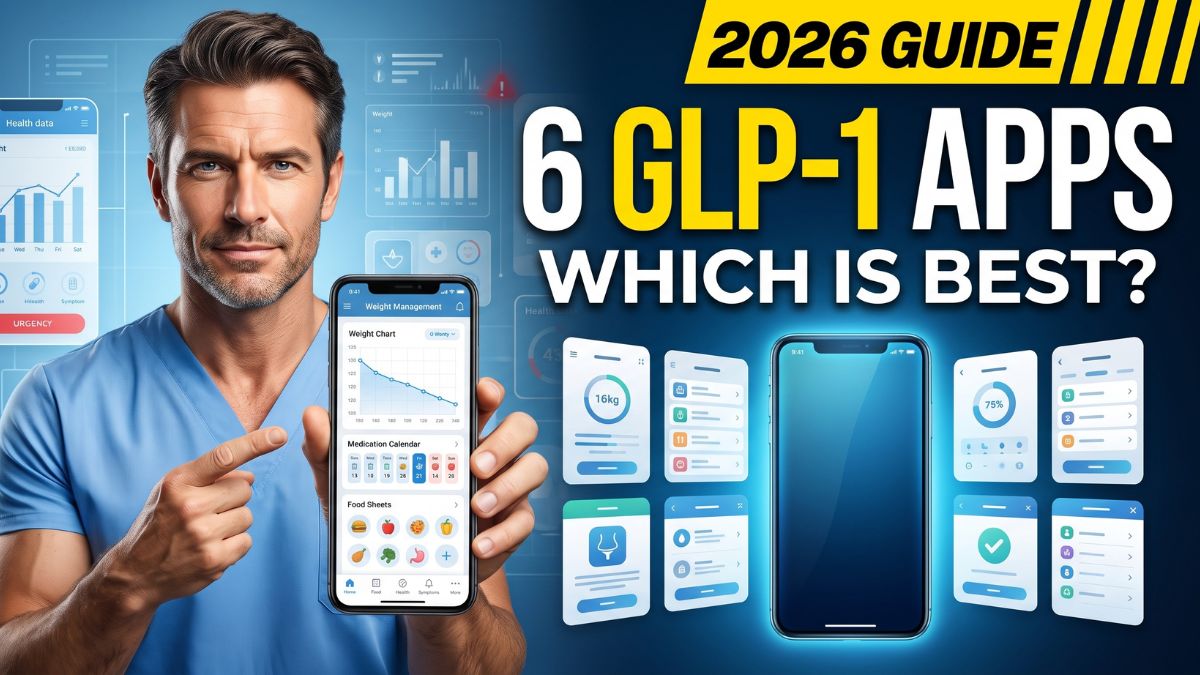
GLP-1 medications have changed how many people approach weight management and blood sugar control, but taking the medication is only one part of the process. Tracking weight, food intake, symptoms, activity, doses, and other health measures can help users understand how their treatment is progressing. That has created a growing market for GLP-1 tracking apps.
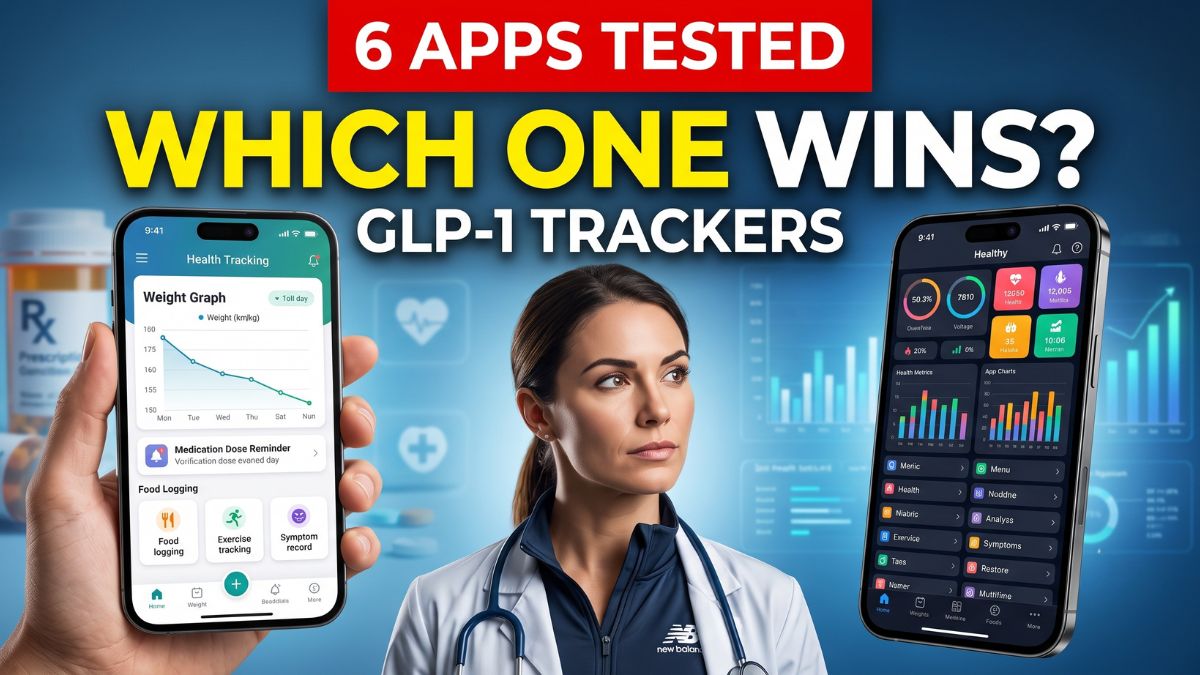
But with so many options promising better results, choosing the right app can feel almost as complicated as choosing the medication itself. Some apps focus on weight trends, while others combine medication reminders, nutrition support, coaching, and health data. Here is a closer look at six common types of GLP-1 tracking apps and what may make each useful.
Tracking
A useful GLP-1 app should make health information easier to understand, not turn it into another daily chore.
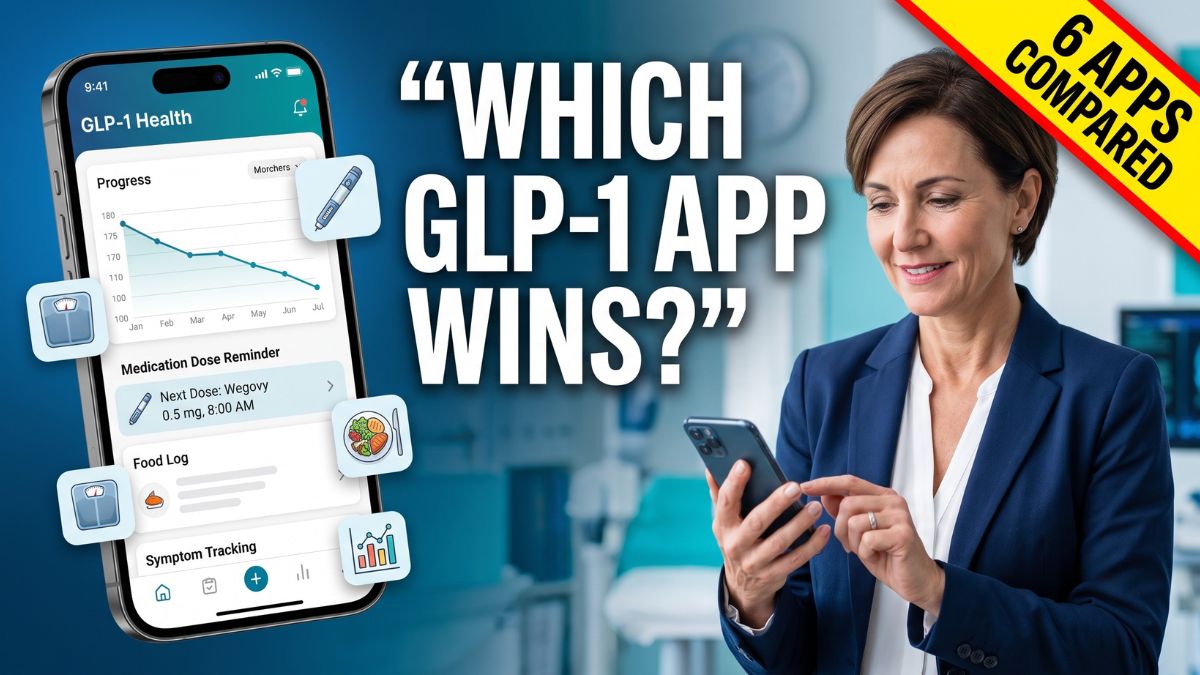
Most tracking apps allow users to record their weight and medication doses. Some also let people monitor meals, exercise, water intake, side effects, sleep, or measurements such as blood glucose.
The main benefit is consistency. Looking at one day’s number rarely tells the whole story. Trends over several weeks can provide a clearer picture of what is happening.
Features
Different apps take different approaches.
Medication trackers tend to focus on dose reminders, injection schedules, and treatment history. These can be helpful for people who occasionally forget when they last took a dose.
Weight-management apps usually go further by combining weight tracking with food and activity logs. Some also provide graphs that make longer-term changes easier to see.
Coaching platforms may add access to nutrition professionals, health coaches, or other support. These services can be more expensive, but some users may value the additional guidance.
All-in-one health apps can connect weight and medication information with data from smartwatches, fitness trackers, or other health tools.
The best choice depends less on the number of features and more on which features you will actually use.
Accuracy
Tracking data is only useful when it is recorded consistently.
For example, weighing yourself at different times of day can produce different results because of food, fluids, and other normal changes. A single reading can therefore be misleading.
The same applies to food tracking. Calorie estimates and portion sizes are not always exact. Apps can help identify patterns, but they should not be treated as perfect measurements.
Medication information deserves even more care. An app should support your treatment routine rather than replace instructions from your doctor or pharmacist.
Privacy
Health data is sensitive, so privacy should be part of the decision.
Before choosing an app, check what information it collects, where that information is stored, and whether it shares data with third parties. Users should also review permissions for connected devices and health platforms.
An app with fewer features but clearer privacy practices may be a better choice than one that collects large amounts of personal information without explaining how it is used.
Usability
An app can have dozens of useful tools and still fail if it is difficult to use.
Look for a simple interface that lets you quickly record your dose, weight, or symptoms. Clear charts can also make it easier to spot trends without spending several minutes interpreting data.
Notifications can be useful for medication reminders, but too many alerts may encourage users to switch them off altogether.
A good tracker should fit naturally into your routine. If recording information becomes frustrating, people are less likely to continue using it.
Comparison
Here is a simple way to think about the six main app categories:
| App type | Main strength | Best for |
|---|---|---|
| Medication tracker | Dose reminders | Treatment schedules |
| Weight tracker | Progress charts | Weight trends |
| Food tracker | Meal records | Nutrition awareness |
| Fitness tracker | Activity data | Exercise monitoring |
| Coaching app | Human guidance | Extra support |
| Health platform | Multiple data types | Centralized tracking |
Some apps combine several of these categories, so the differences can overlap.
Choice
There is no single GLP-1 tracking app that is automatically best for everyone. Someone who mainly needs injection reminders may have little use for detailed calorie tracking. Another person may want nutrition tools, exercise information, and progress charts in one place.
It is also worth considering whether the app works with the devices you already use. Integration with a smartwatch or health platform can reduce manual entry and make tracking more convenient.
Most importantly, an app should support informed conversations with your healthcare provider. Weight changes, side effects, medication responses, and other health information can be useful context, but an app cannot determine whether a treatment is right for you.
The strongest GLP-1 tracking app is ultimately the one that provides useful information, protects your health data, and is simple enough for you to keep using. A well-designed tracker can act like a dashboard for your treatment journey, but the decisions behind that journey should still involve qualified healthcare professionals.
FAQs
What should a GLP-1 app track?
It can track doses, weight, food, activity, and symptoms.
Are GLP-1 tracking apps accurate?
They record data, but some health estimates may not be exact.
Can an app replace medical advice?

No. Treatment decisions should involve a qualified healthcare professional.
Should I check an app’s privacy policy?
Yes. Health information is sensitive and should be handled carefully.
Which GLP-1 app is best?
The best choice depends on your tracking needs and daily routine.