GLP-1 medications have become an important part of modern weight management, but medication is only one part of the process. Many people also monitor weight changes, food intake, hydration, appetite, symptoms, activity, and medication schedules.
That is where tracking apps can be useful. They can provide a record of day-to-day changes and make longer-term patterns easier to identify. However, not every app is designed for the same purpose. Some focus specifically on GLP-1 medications, while others concentrate on nutrition, calorie tracking, behavioral changes, or weight trends.
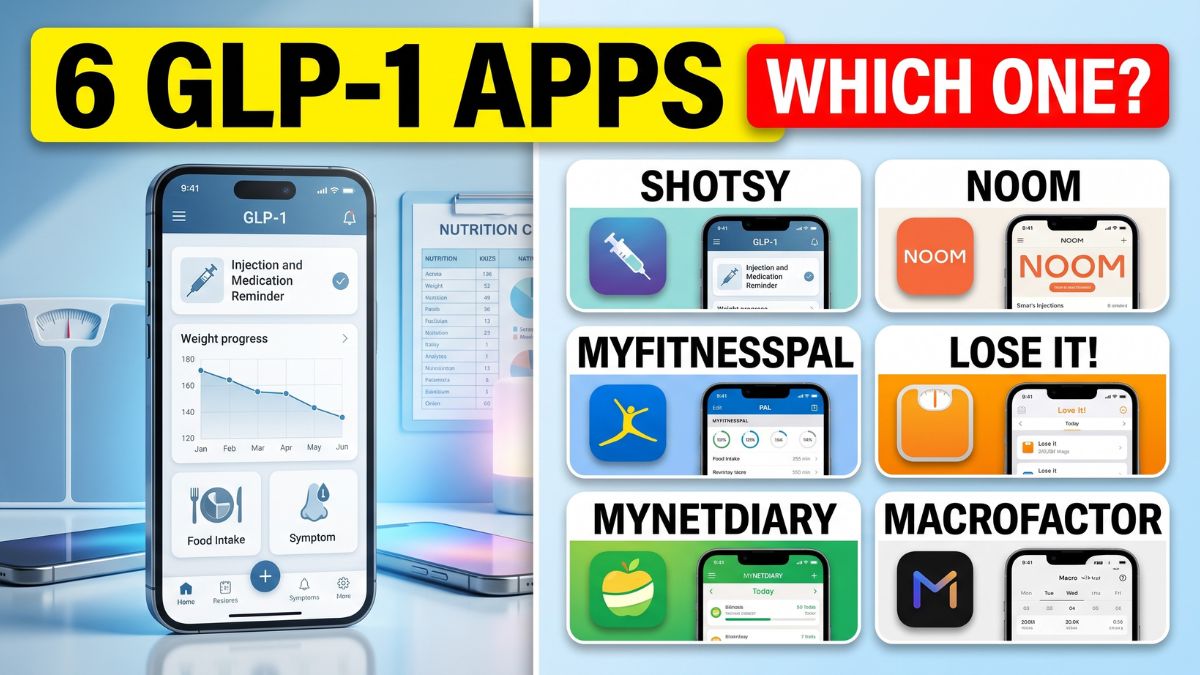
For users comparing their options in 2026, here is a closer look at six apps and what each one is designed to do.
Shotsy
Shotsy is designed specifically around GLP-1 users, which gives it a different focus from traditional calorie-counting and weight-management apps.
The app centers on information such as injections, weight changes, side effects, and other aspects of a GLP-1 treatment journey. This can be useful for people who want to maintain a medication record without building their own tracking system.
A medication-focused tracker may also make it easier to look back at how you felt following previous doses. That information can provide useful context when discussing treatment with a healthcare professional.
Noom
Noom takes a broader approach to weight management. Its focus includes food choices, habits, behavior, and the psychological factors that can influence eating patterns.
This approach can be relevant to people using GLP-1 medications because changes in appetite can affect established eating routines. Eating less does not necessarily mean that every meal provides the nutrients the body needs.
Noom may therefore be more suitable for users who want behavioral guidance and food-related support alongside their medication rather than a dedicated medication log alone.
MyFitnessPal
MyFitnessPal is one of the more established general nutrition and fitness tracking platforms. It allows users to record food, calories, exercise, weight, and other aspects of their daily routine.
For someone taking a GLP-1 medication, its main value is nutritional tracking rather than medication management. Recording meals can provide a clearer picture of overall intake when appetite and portion sizes change.
The platform may be more comprehensive than necessary for someone who simply wants to record injections and symptoms. For users who already track their meals, however, its broader feature set can be useful.
Lose It!
Lose It! focuses primarily on weight and food tracking. Its straightforward approach can appeal to people who want to maintain a regular record of calorie intake and weight changes.
The app can work alongside a GLP-1 treatment plan when the main objective is monitoring food and weight rather than recording medication-specific information.
Its limitation for some users is the same reason it can be useful for others: it is a general weight-management tool rather than a dedicated GLP-1 companion.
MyNetDiary
MyNetDiary combines weight management with detailed food and nutrition tracking. It can be useful for users who want to examine their diet in greater detail while monitoring changes in body weight.
This type of tracking may become more relevant when a GLP-1 medication changes appetite or meal patterns. Instead of focusing only on the scale, users can review what they are eating and how their overall nutritional intake is changing.
For people who prefer detailed records, MyNetDiary provides a broader nutritional perspective than an app focused only on medication reminders or weight entries.
MacroFactor
MacroFactor is aimed at users who want a data-focused approach to nutrition and weight management. It places considerable emphasis on calorie intake, macronutrients, body weight, and longer-term trends.
This can be useful when daily appetite and food intake vary. Looking at trends rather than individual weigh-ins can provide a more consistent way to assess progress over time.
MacroFactor is not primarily a GLP-1 medication tracker, so users looking for injection and symptom management features may need a different app. Its main strength is detailed nutrition analysis.
Comparison
| App | Best For | GLP-1 Focus | Nutrition Tracking |
|---|---|---|---|
| Shotsy | Medication tracking | High | Limited to moderate |
| Noom | Habits and coaching | Moderate | Yes |
| MyFitnessPal | Broad food tracking | Low | Strong |
| Lose It! | Simple weight tracking | Low | Strong |
| MyNetDiary | Detailed nutrition | Moderate | Strong |
| MacroFactor | Data-driven nutrition | Low | Advanced |
The right app depends largely on what you want to monitor. Someone primarily interested in medication doses and treatment-related symptoms may prefer a GLP-1-focused option such as Shotsy. A user looking for behavioral support may find Noom more appropriate. MyFitnessPal, Lose It!, and MyNetDiary are better suited to people who place greater emphasis on food and nutrition tracking, while MacroFactor is aimed at users who want more detailed nutritional data.
There is no requirement to track every possible measurement. In many cases, a simple system that records the information most relevant to your treatment may be easier to maintain over time. An app can help organize that information, but it should not replace medical advice or decisions from your prescribing healthcare professional. If you experience concerning or persistent side effects, discuss them with your clinician rather than relying on an app to interpret them.
FAQs
Which app is best for GLP-1 tracking?
Shotsy is designed specifically for GLP-1 users.
Can I track food with GLP-1 apps?
Some can, but general nutrition apps offer deeper food tracking.
Are GLP-1 tracking apps medical tools?
No. They should support, not replace, medical care.
Should I track side effects?
Tracking symptoms can help you discuss patterns with your clinician.
Do GLP-1 apps replace doctors?
No. Medication decisions should come from your healthcare provider.