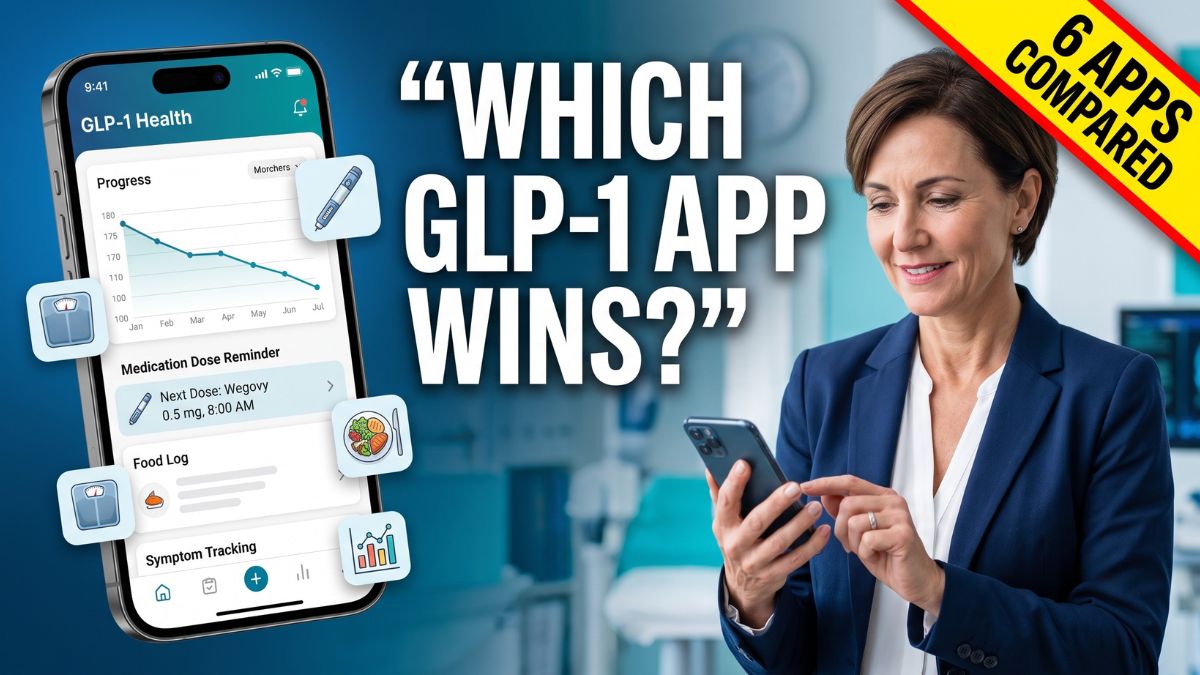
GLP-1 medications are increasingly being used as part of weight-management plans, but taking the medication is only one part of the process. Tracking weight, meals, symptoms, activity, and medication doses can help people understand how their health changes over time. GLP-1 apps are designed to make that information easier to record and review.
But not every app works in the same way. Some focus mainly on medication and weight tracking, while others combine nutrition, symptoms, activity, goals, and progress reports. The most useful option depends largely on how much information you want to monitor and how often you plan to use the app.
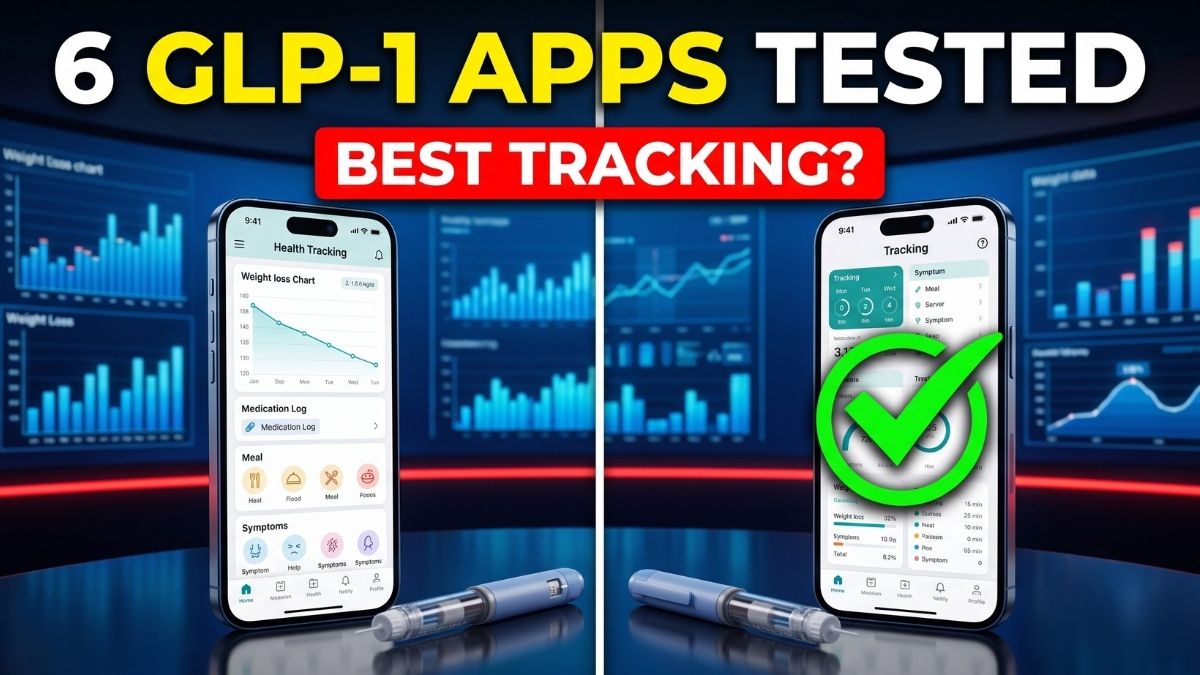
I compared six GLP-1-focused apps based on tracking tools, medication support, progress features, usability, and convenience. Here is what to consider before choosing one.
Tracking
A useful GLP-1 app should make routine tracking straightforward. If recording your weight or medication takes several steps every time, maintaining the habit can become difficult.
The apps reviewed differed in how quickly users could enter information. Some provided simple entry screens, while others offered more detailed tracking options for food, symptoms, and health measurements.
Weight tracking was generally easy to find. Several apps also allowed users to record symptoms such as nausea, constipation, fatigue, or changes in appetite. Keeping these details together can make it easier to identify patterns over time, particularly when beginning treatment or adjusting a prescribed dose.
The goal is not to record every possible detail. Instead, users should choose the information that is relevant to their treatment and that they can consistently maintain.
Medication
Medication tracking is one of the more practical features available in GLP-1 apps. Users can record when they take their medication and, depending on the app, document the dose and add notes about how they felt afterward.
A clear medication history can be useful when reviewing treatment over several weeks or months. Some apps also include reminders, which may help users maintain a consistent schedule.
However, these tools are intended for organization and tracking. They should not be used to change a medication dose or treatment schedule without guidance from a qualified healthcare professional.
Progress
Weight does not necessarily change at a consistent rate. Short-term fluctuations can occur because of hydration, food intake, digestion, physical activity, and other factors.
For that reason, progress charts can provide more context than looking at an individual weigh-in. Several of the apps tested display weight trends across different periods, allowing users to review changes over time.
Some apps go beyond weight by tracking measurements, goals, activity, or other health information. These additional records can help provide a broader picture of progress.
For users taking GLP-1 medications, longer-term trends may be more informative than focusing heavily on a single day’s result.
Features
The six apps varied considerably in the number of features they offered. Some concentrated on essential tracking, while others attempted to combine several aspects of weight management in one platform.
| Feature | Basic Apps | Advanced Apps |
|---|---|---|
| Weight tracking | Yes | Yes |
| Medication logs | Yes | Yes |
| Food tracking | Limited | Detailed |
| Side-effect tracking | Limited | Detailed |
| Progress charts | Yes | Yes |
| Goal setting | Basic | Advanced |
| Health insights | Limited | More detailed |
| Reminders | Some | Usually available |
More features do not necessarily make an app more useful. Someone who only wants to record medication and weight may find a simple interface easier to maintain.
By contrast, users who want to monitor food intake, symptoms, physical activity, and longer-term trends may benefit from a more comprehensive platform.
The important question is how much information you actually intend to track. An extensive feature list has limited value if most of those tools are never used.
Ease
Ease of use was another noticeable difference between the apps. The more convenient platforms placed common actions within one or two taps and presented information in a straightforward format.
This matters because tracking is usually a repeated activity. Small amounts of friction can become significant when the same task is performed several times a week.
Clear charts and uncomplicated labels can also make information easier to interpret. Users should not need to navigate through multiple screens simply to check their weight trend or medication history.
For many people, consistency may be more important than advanced functionality. A basic app that fits naturally into a daily routine can be more practical than a complex platform that becomes difficult to maintain.
Privacy
Health information is sensitive, so privacy should be considered when selecting any tracking app. Before entering medical or personal information, review what data the service collects, how it is stored, and whether it may be shared with other companies or services.
Users should also check the app’s privacy controls and permissions. Integrating an app with another health platform can make tracking more convenient, but it may also connect additional personal information.
Understanding these settings can help users make an informed decision about the balance between convenience and privacy.
Choice
The six GLP-1 apps differ mainly in what they are designed to track. Users looking for straightforward medication and weight logging may prefer a simpler platform. Those who want nutrition records, symptom tracking, activity information, and more detailed progress data may need a broader set of tools.
The most suitable GLP-1 tracking app is ultimately the one that matches your routine and provides the information you find useful. Before choosing, consider how often you will use it, which measurements you want to record, whether medication reminders matter to you, and how the service handles personal health information.
A tracking app can organize information and make trends easier to review, but it remains a supporting tool. Medication decisions and treatment changes should be discussed with your healthcare professional.
FAQs
What is a GLP-1 app?
It helps track medication, weight, symptoms, and health progress.
Do GLP-1 apps track injections?
Many apps let users record medication doses and injection dates.
Can GLP-1 apps track weight loss?
Yes, most provide weight logs, goals, and progress charts.
Are GLP-1 apps medical tools?
No. They support tracking but do not replace medical advice.
Which GLP-1 app is best?
The best app depends on the features you need and will use.