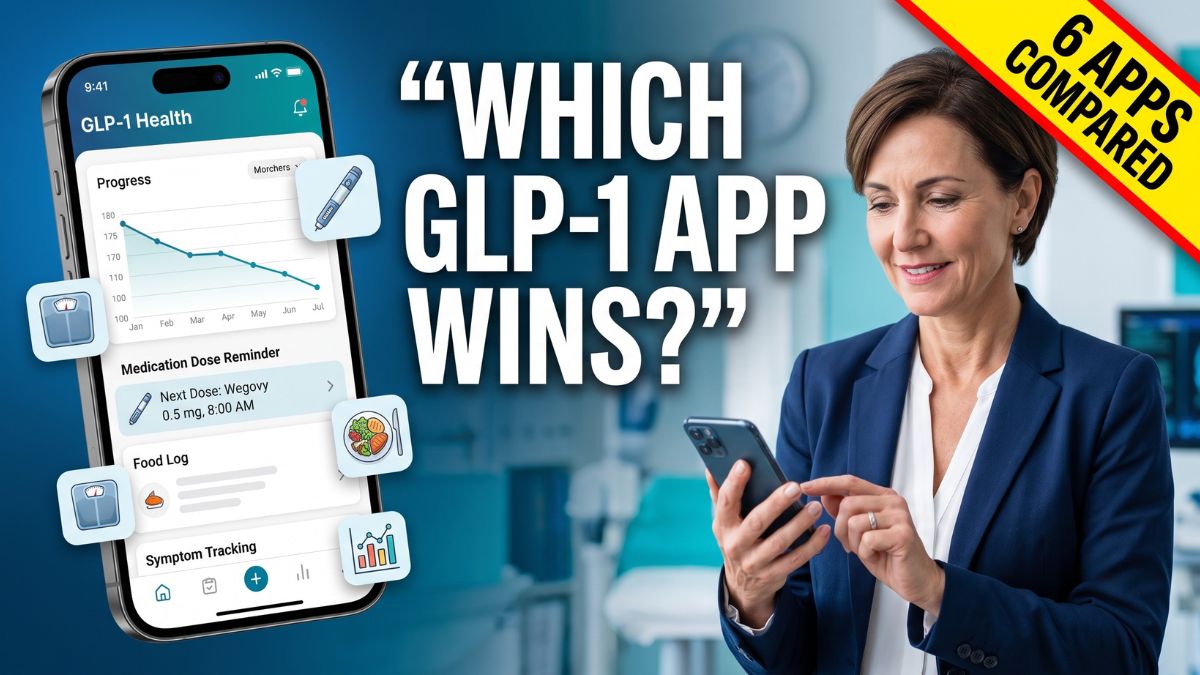

If you’re using a GLP-1 medication, keeping track of more than your weight can provide useful context. Recording doses, symptoms, nutrition, activity, and changes over time can help you understand your routine and prepare more useful information for healthcare appointments.
In 2026, GLP-1 tracking apps vary considerably. Some focus mainly on medication reminders, while others combine weight, nutrition, symptoms, and activity in a single dashboard. The right choice depends less on the number of features and more on what you want to monitor consistently.
Here are six types of GLP-1 tracking apps that stand out and what to consider when comparing them.
Dose
Dose-focused apps are designed primarily to help users remember their medication schedule. For people taking a GLP-1 on a regular schedule, this can be one of the most practical features.
Depending on the app, you may be able to record the medication name, dosage, date, and time. Some also provide reminders for upcoming doses or refills.
A dose history can also create a useful record. If you need to discuss your medication routine with a healthcare professional, having dates and doses recorded can be more reliable than trying to remember them.
Weight
Weight tracking is another common feature. Instead of looking at individual weigh-ins, these apps can display changes over several weeks or months.
That distinction matters because body weight naturally fluctuates. Hydration, meals, activity, and other factors can affect the number on the scale from one day to the next.
Some apps allow users to record additional measurements, such as waist circumference. Looking at several measures can provide more context than focusing on weight alone.
For users who already have a regular weighing routine, a clear chart and simple history may be more useful than a large collection of additional tools.
Symptoms
Side-effect tracking can help users keep a more organized record of how they feel while taking a GLP-1 medication. Common entries may include nausea, constipation, appetite changes, fatigue, or other symptoms.
A symptom log can provide a timeline. For example, you might record when a symptom began, how long it lasted, and whether it occurred around a particular dose.
This information may be useful when speaking with a healthcare professional. However, an app is not a substitute for medical advice. New, severe, or persistent symptoms should be discussed with an appropriate healthcare professional.
Nutrition
Nutrition-focused trackers can be useful because GLP-1 medications may affect appetite and eating patterns. Depending on the app, users can record meals, protein, fiber, water, or other nutritional information.
The amount of detail you need depends on your goals. Someone who wants to monitor protein intake may not need an app that requires extensive food logging.
A straightforward system can make it easier to maintain the habit. If you have specific nutritional concerns while using a GLP-1 medication, personalized advice from a qualified healthcare professional or registered dietitian may be appropriate.
Fitness
Some apps connect GLP-1 tracking with physical activity. Features can include step counts, workouts, active minutes, or other movement data.
This can provide a broader view of health changes. Medication, nutrition, activity, sleep, and other lifestyle factors can all be relevant when evaluating progress.
Fitness tracking can also shift attention away from the scale alone. Improvements in strength, endurance, mobility, or daily activity may be useful measures of progress depending on an individual’s circumstances.
All-in-One
All-in-one GLP-1 apps combine several tracking functions in one place. A single dashboard may include medication records, weight, symptoms, meals, activity, and appointment information.
Convenience is the main advantage, but there can be a downside. More features can also make an app harder to navigate or maintain regularly.
When comparing six standout GLP-1 tracking options in 2026, these are some of the main features to consider:
| Feature | Why It Matters |
|---|---|
| Dose reminders | Helps maintain a consistent medication routine |
| Weight charts | Shows longer-term weight patterns |
| Symptom logs | Provides a record for healthcare discussions |
| Food tracking | Helps monitor eating and nutrition habits |
| Activity tracking | Adds movement data to overall progress |
| Data export | Can make records easier to review or share |
Choosing
The best GLP-1 tracking app depends on what you need to monitor.
If medication timing is your main concern, a dose-focused tracker may be sufficient. If you want to record several aspects of your health in one place, an all-in-one app may be more appropriate. Users focused on nutrition may prefer an app with detailed food and nutrient tracking.
Privacy is another consideration. Before entering health information, review the app’s privacy policy and check what information it collects, how that information is used, and whether your data can be exported or deleted.
Ultimately, a useful tracker is one that fits naturally into your routine. An app with fewer features may be more practical if it makes recording information simple and consistent. The goal is not to collect the largest amount of data, but to maintain records that provide useful context for your own health decisions and conversations with healthcare professionals.
FAQs
What should a GLP-1 app track?
It can track doses, weight, symptoms, food, and activity.
Are GLP-1 tracking apps free?
Some offer free features, while others require subscriptions.
Can apps remind me about GLP-1 doses?

Yes, many apps offer medication and dose reminders.
Should I track GLP-1 side effects?
Tracking symptoms can help you discuss patterns with your clinician.
Which GLP-1 app is best?
The best option depends on the features you need and will use.