Watching a parent grow older can bring complicated emotions. It can be difficult to see someone who was once busy, independent and full of plans become quieter, less interested in familiar activities or increasingly focused on the past.
Some changes are a natural part of ageing. But a noticeable loss of interest, motivation or enjoyment should not automatically be dismissed as simply “getting old.” Retirement, loneliness, bereavement, health problems and the loss of familiar roles can all affect an older person’s sense of purpose.
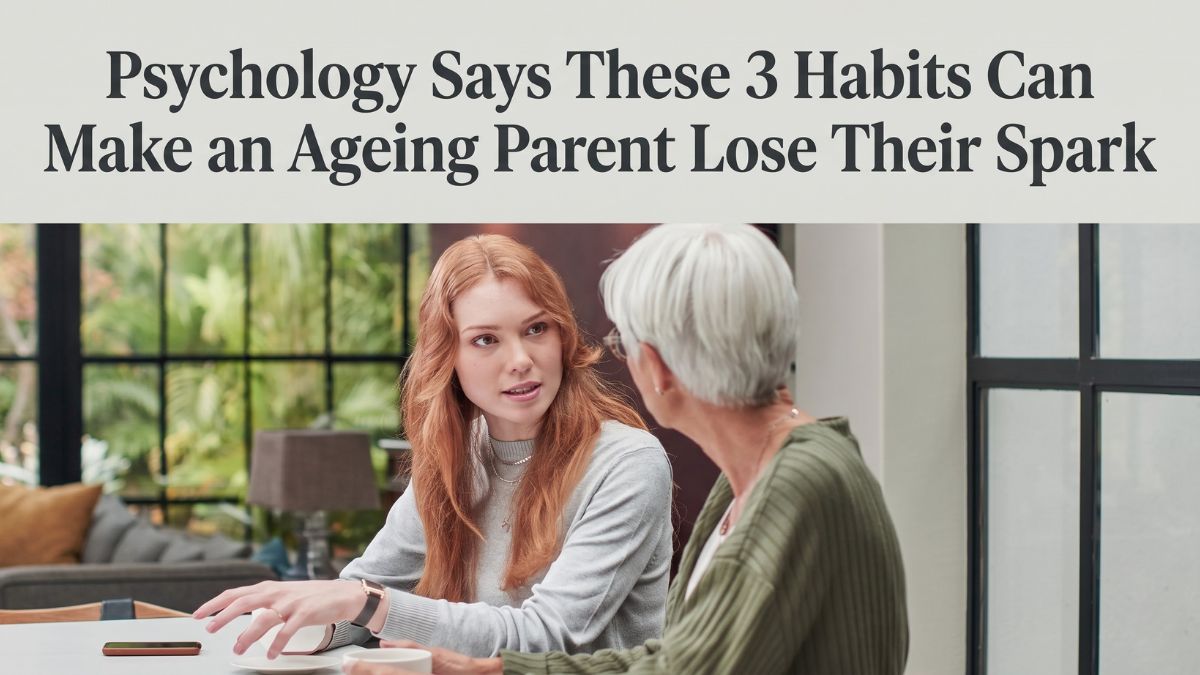
Psychologist Adriana Henríquez Lomba explains that families can support ageing parents by understanding what may be behind these changes. Just as importantly, they need to avoid well-intentioned habits that can unintentionally make an older person’s world smaller.
Lost Purpose
Losing one’s spark does not necessarily happen because of age itself. Often, it follows the disappearance of things that previously gave life structure and meaning.
Retirement can remove a major part of someone’s daily routine and identity. A person may suddenly have more free time but fewer responsibilities, social interactions or reasons to look forward to the day.
Health changes can add another layer. Pain, reduced mobility and conditions affecting physical or cognitive abilities can make ordinary activities harder. When everyday tasks require substantially more effort, a person may gradually stop attempting them.
Over time, this can create a cycle. Doing less can lead to less social contact and stimulation, which can further reduce motivation.
Emotional Changes
Loneliness can have a particularly significant effect on an older person’s wellbeing. It is not necessarily the same as being physically alone. Someone can live with family members and still experience loneliness if they feel disconnected or no longer have meaningful relationships.
Retirement can also affect identity. People often define themselves through roles such as worker, caregiver or provider. When those roles disappear, an unsettling question can emerge: “Who am I now?”
This is why helping an older parent find meaningful roles can matter. Those roles do not need to resemble their previous career or responsibilities. Caring for a garden, maintaining family traditions, sharing skills with grandchildren or staying connected with friends can all provide a sense of contribution.
Warning Signs
Not every older person who becomes less active is experiencing depression.
A person may simply prefer quieter routines or different interests as they age. The more important question is whether they still experience pleasure in things that matter to them.
A persistent loss of interest in previously enjoyable activities can be more concerning. Withdrawal, apathy, irritability and a noticeable decline in motivation may also indicate that something deeper is happening.
Changes should be considered in context, particularly when they are persistent or interfere with everyday life.
Three Habits
Families often want to help quickly when they see a parent struggling. However, some common responses can have the opposite effect.
Dismiss Feelings
Telling an ageing parent to “cheer up” or stop complaining may seem encouraging, but it can communicate that their feelings are inconvenient or unreasonable.
Older adults may be grieving several changes at once, including the loss of loved ones, familiar routines, physical abilities or previous identities.
Instead of immediately trying to change their mood, family members can listen and acknowledge what they are experiencing. Validation does not mean agreeing that everything is hopeless. It means allowing the person to feel understood.
Take Over
Another common mistake is doing everything for an ageing parent.
Families may take over household tasks, appointments, decisions or daily routines because they believe they are making life easier. But removing every responsibility can also reduce independence.
When people stop making choices or doing tasks they are still capable of managing, they may begin to feel less useful or less in control.
Support should therefore be balanced with autonomy. Helping with something difficult is different from automatically doing everything on someone’s behalf.
Overfill Days
It can be tempting to create a packed schedule of activities to keep a parent busy. But more activity does not automatically mean more happiness.
The goal should be meaningful engagement rather than constant occupation.
A gentle routine, regular conversation, a hobby, time with family or involvement in something personally important may be more valuable than a calendar full of activities chosen by someone else.
The key question is not “How much are they doing?” but “Does what they are doing matter to them?”
Meaningful Goals
Goals naturally change throughout life.
For an older person, meaningful goals may look very different from those they had in their working years. They could involve caring for another person, passing knowledge to younger family members, maintaining friendships or simply keeping a gentle daily routine.
The goal does not have to be ambitious. Small goals can still provide structure and anticipation.
Grandchildren can also become an important source of connection and purpose. Spending time together, sharing stories or teaching family traditions can give older adults a meaningful role within the family.
However, grandchildren are only one possible source of purpose. Older people also need interests and relationships that belong to them.
Life Stories
A person’s history can strongly influence how they experience later life.
People carry memories, disappointments, losses and unresolved emotions across decades. Retirement and other major transitions can create more time to reflect on those experiences.
Looking back can be healthy, but becoming persistently trapped in regret or hopelessness may be more concerning.
Families cannot rewrite a parent’s history, but they can listen to it. Asking about meaningful experiences, accomplishments, relationships and lessons can help create connection without dismissing difficult emotions.
Encouraging an ageing parent to develop new interests and modest goals can also shift attention toward the present and future.
Professional Help
There is an important distinction between ordinary sadness and symptoms that begin to take over daily life.
Persistent withdrawal, refusing to leave the house or get out of bed, losing interest in nearly everything, or expressing overwhelming pessimism about life are reasons to seek professional support.
Depression in older adults can sometimes overlap with physical illness, medication effects, grief or cognitive changes, so persistent symptoms deserve appropriate assessment rather than being attributed automatically to ageing.
Supporting an ageing parent is therefore less about trying to restore the exact person they were years ago and more about helping them maintain connection, autonomy and meaning in the life they have now. Listening without dismissing their feelings, offering help without taking away independence and encouraging activities that genuinely matter to them can provide a more sustainable form of support.
FAQs
Why do older parents lose motivation?
Loss of purpose, loneliness and health changes can reduce motivation.
Is losing interest always depression?
No, but persistent loss of pleasure can be a warning sign.
Should children do everything for parents?
No, excessive help can reduce independence and confidence.
Can grandchildren provide purpose?
Yes, family relationships can provide connection and meaning.
When should parents seek help?
Seek help when sadness or withdrawal disrupts daily life.